




Multi-level Assessment of Cancer Risk Factors Preventive Legislation
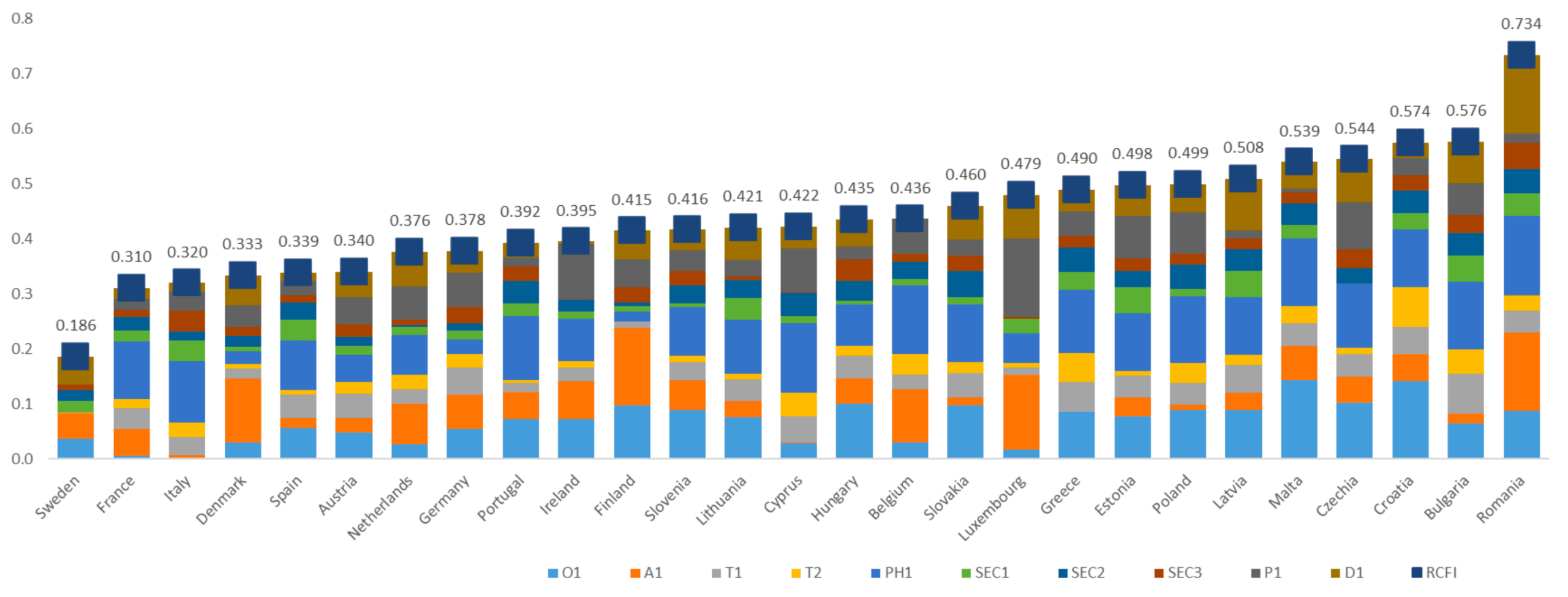
The regulatory environment in cancer primary prevention includes a stricter-than-standard drink driving limit and a ban on vending machine cigarette sales, alongside gaps in tobacco cessation provision, vaccination uptake, and healthcare infrastructure. Among the 4P-CAN consortium countries, the country records one of the highest adult smoking prevalence rates, the lowest hepatitis B vaccination coverage, and no formal cessation quit line. This section presents the regulatory and epidemiological data for each risk factor domain.
Adult smoking prevalence stands at 35.7% (2020), placing it among the highest in the consortium, alongside a youth prevalence of 16.0%. As a non-EU country, the country is not ranked on the Tobacco Control Scale. Smoke-free policies remain weak, and plain packaging has not been implemented. Most notably, the country lacks any formal cessation policy or quit line — the weakest cessation provision in the consortium. Vending machine cigarette sales are banned, though internet sales remain unregulated. Cigarettes have become less affordable since 2012, suggesting that price increases may be exerting some demand-side pressure despite the absence of a coordinated tobacco control strategy.


A blood alcohol concentration limit of 0.3 g/L applies for drivers — stricter than the standard 0.5 g/L threshold used in most European countries. The minimum legal drinking age is 18. Still wine carries no excise duty (0 EUR per hectolitre), consistent with other consortium countries, while ethyl alcohol is taxed at 1,250 EUR per hectolitre — a relatively high rate for a non-EU country. As with other consortium members, alcohol policies span taxation, age restrictions, advertising, and licensing, though the overall regulatory framework reflects the more limited institutional capacity typical of non-EU states in the region.


HPV vaccination was introduced for girls in 2022 but has not yet extended coverage to boys. Coverage stands at 19% for girls. Hepatitis B vaccination is recommended, yet the country records the lowest coverage in the consortium at 42%. This outcome illustrates that challenges in vaccine confidence and healthcare access significantly affect real-world coverage, and that achieving high uptake requires targeted demand-side interventions alongside policy mandates.


Socio-economic and informational determinants of cancer prevention
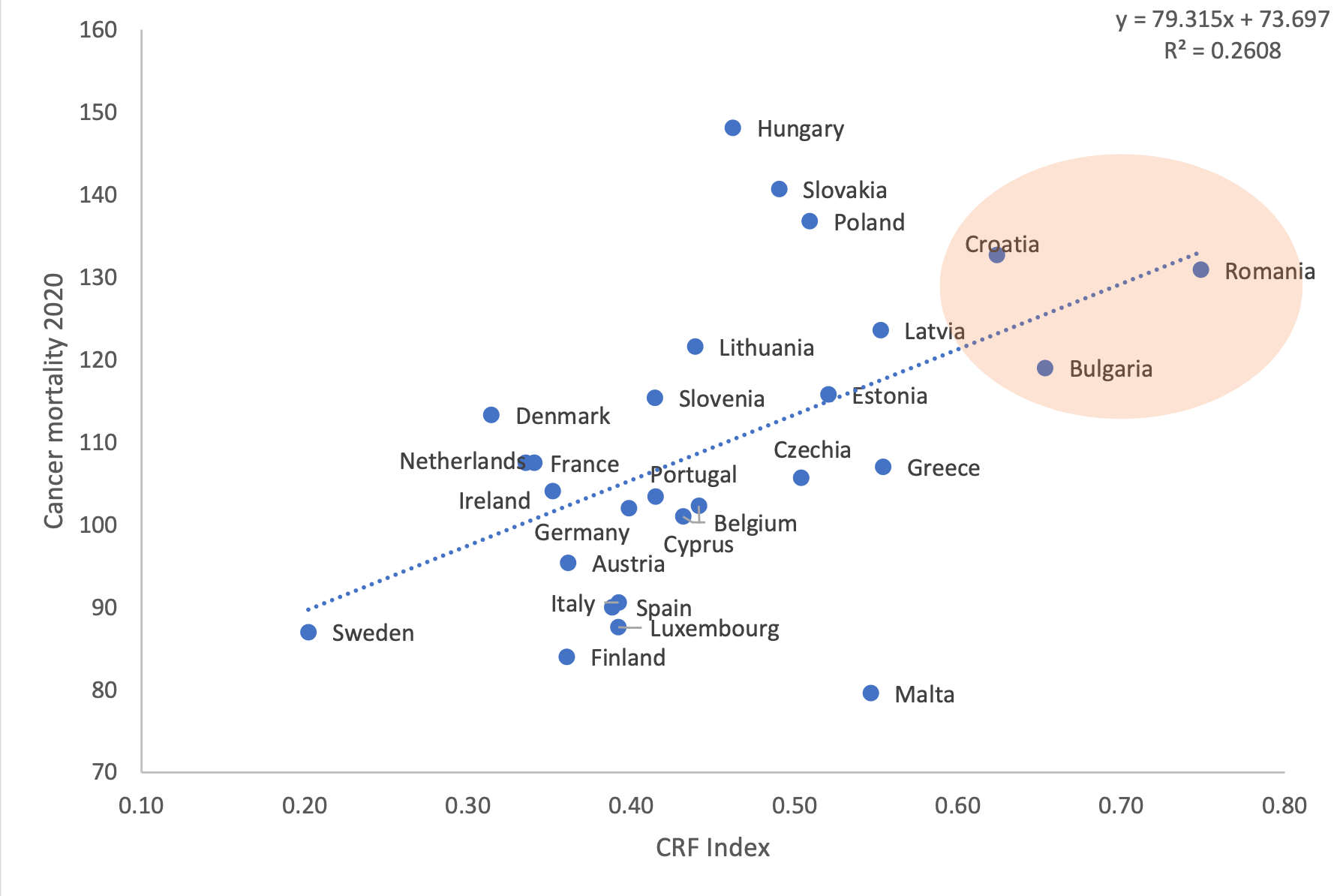
The indirect cost data cover 2022 and 2023 only, owing to data availability constraints — the shortest time series in the study. Despite this limitation, the data reveal a clear upward trend. The total annual economic burden rose from EUR 12.57 million in 2022 to EUR 14.65 million in 2023, a year-over-year increase of 16.5%. The cancer mortality rate among the economically active population averages 127 deaths per 100,000, and productivity losses account for approximately 86% of the total economic burden. Labour productivity grew at a compound annual rate of 7.1% over the period, while net wages rose at 5.7% and the active population expanded by just 0.1%. Under a comprehensive intervention scenario, an estimated EUR 4 million in annual economic gains could be achieved. The cumulative two-year burden stands at approximately EUR 27 million.


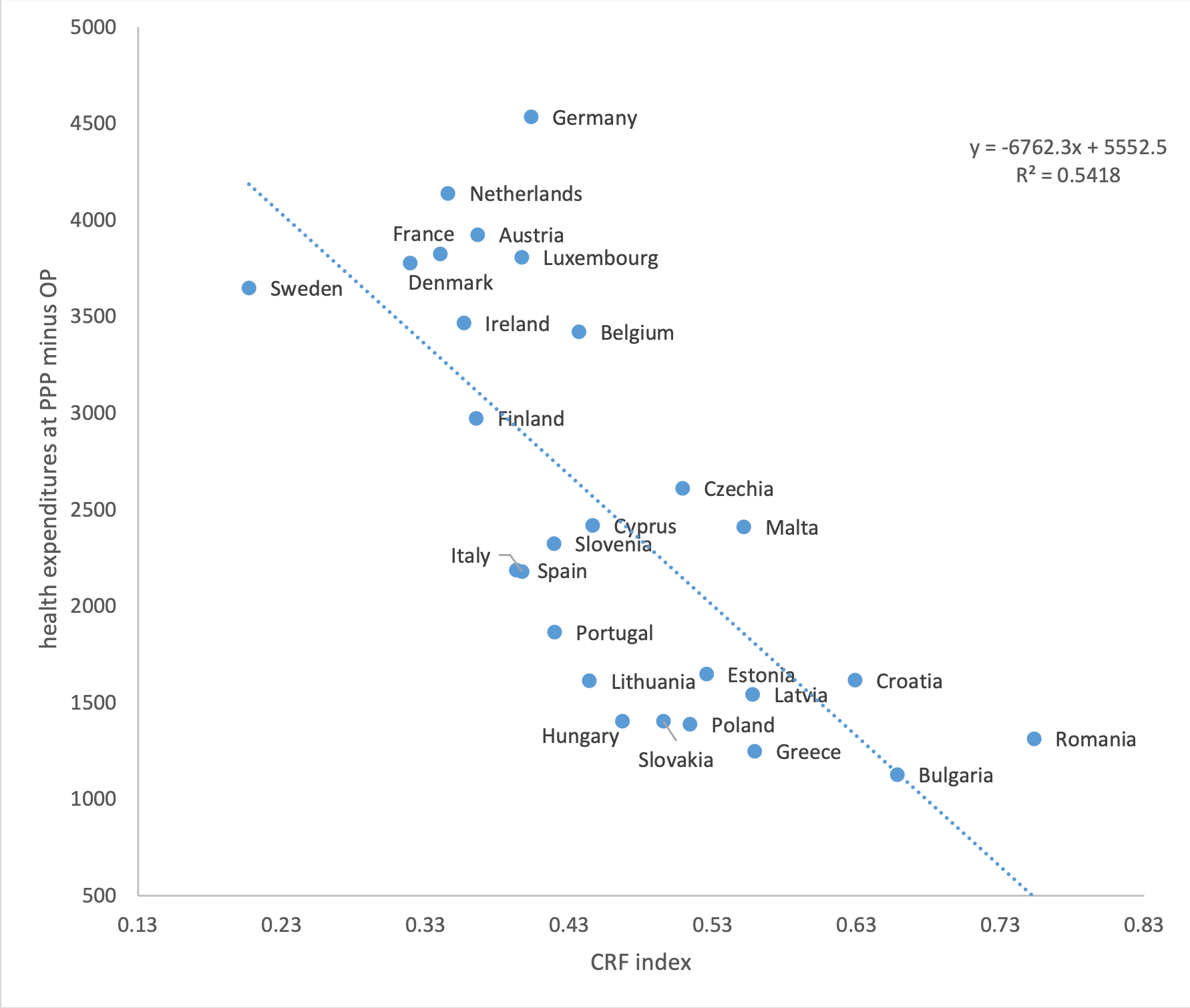
GDP per capita stands at 48% of the EU average (2018), and healthcare expenditure accounts for approximately 5% of GDP (2019) — with out-of-pocket payments representing around 39% of total health spending, one of the highest shares in the consortium. In 2022, the country transitioned from a contribution-based health insurance model to a fully tax-funded system. Preventive care accounts for only 1.2% of current health expenditures (2019), reflecting a healthcare system oriented primarily towards treatment rather than prevention. Data collection remains fragmented, with most cancer-related statistics not publicly available. The National Programme for Cancer Control, launched in 2008, has not been systematically evaluated or updated, and the Cancer Registry established in 2013 provides very limited public data. Structural gaps in trained staff and diagnostic facilities — notably in colonoscopy — further constrain the country's cancer prevention and early detection capacity.
Cancer Prevention Literacy and Information on Cancer Primary Prevention
The data presented for the four EU and three non-EU countries are derived from commercial voluntary online panel surveys. The results are based on unweighted raw data and have not been calibrated to national census population benchmarks. They should not be interpreted as nationally representative prevalence estimates.
The survey questionnaires used in the EU and non-EU countries differ slightly. Consequently, results are not directly comparable between these groups of countries.
The survey questionnaires used in the EU and non-EU countries differ slightly. Consequently, results are not directly comparable between these groups of countries.